
Sachets, flexible packaging and other low-value plastics are some of the hardest waste to deal with in the Philippines. Most recyclers won't take them, so they end up in landfills, waterways and the ocean. The Plastic Flamingo, better known as "The Plaf," was built to recover exactly this kind of plastic and turn it into products people can use, from school chairs to pallets and Eco-Boards.
Based in Muntinlupa, The Plaf has set up more than 300 plastic collection points, managed over 1,400 tons of plastic waste and deployed more than 6,355 school chairs made from recycled plastic across the country.
In this exclusive email interview with Sinag Impact, Christian Aaron Orot, Communications and Marketing Associate of The Plastic Flamingo, talks about how the company started, how its partnerships work and what other Filipino businesses can do for the environment.
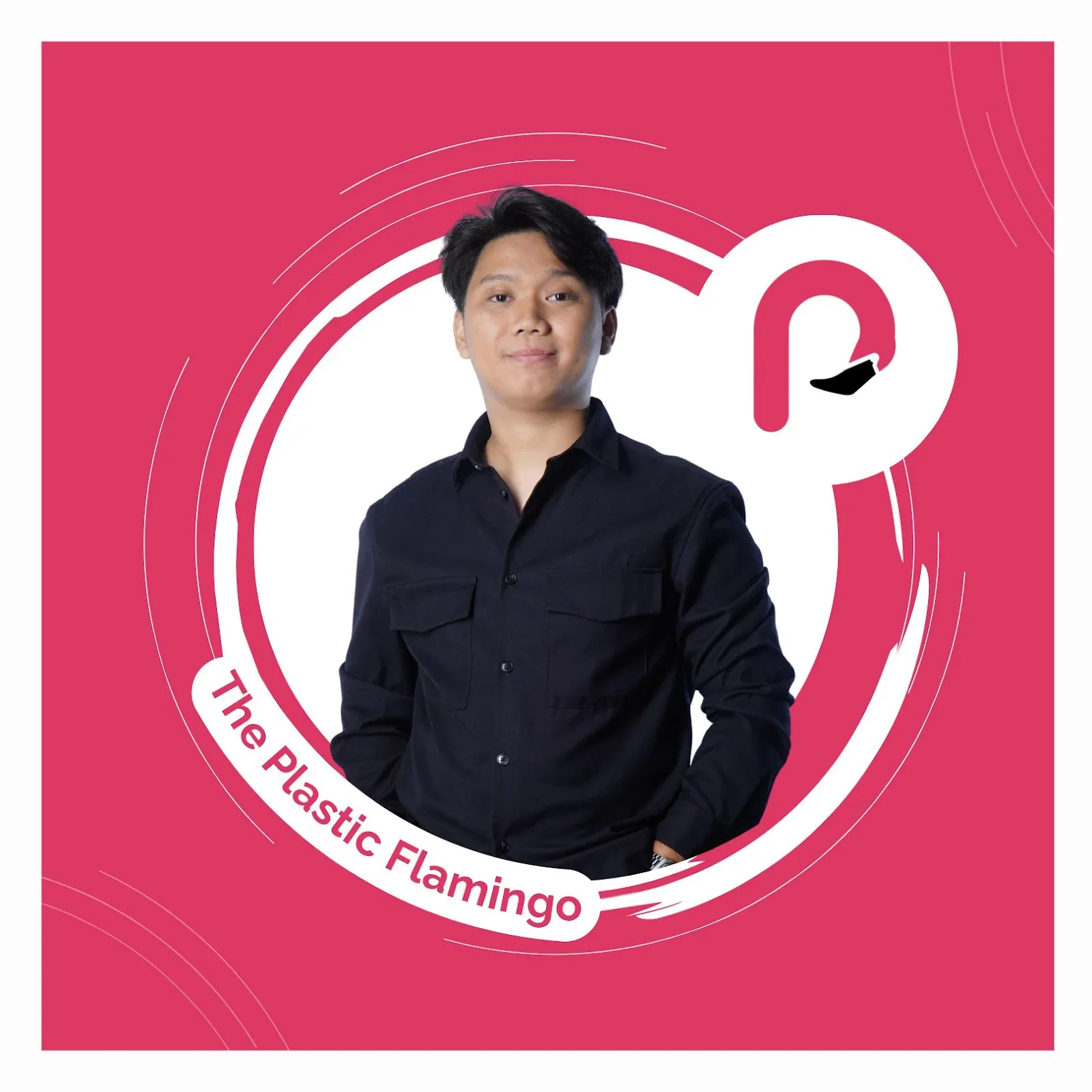
Christian Aaron Orot, Communications and Marketing Associate of The Plastic Flamingo (Photo: The Plastic Flamingo)
Finding value in plastic others overlook
How did The Plaf get started, and why focus on plastic that most recyclers won't take?
The Plastic Flamingo was established to address plastic pollution, particularly the plastic waste that often ends up in our oceans, landfills, and environment. We saw that while some plastics have established recycling markets, other types, especially flexible packaging and sachets, are much harder to recover and recycle.
We wanted to help close that gap by collecting these materials and transforming them into useful products, such as school chairs, pallets, and Eco-Boards. For us, recycling isn't just about managing waste; it's about finding value in materials that are often overlooked and giving them another purpose.
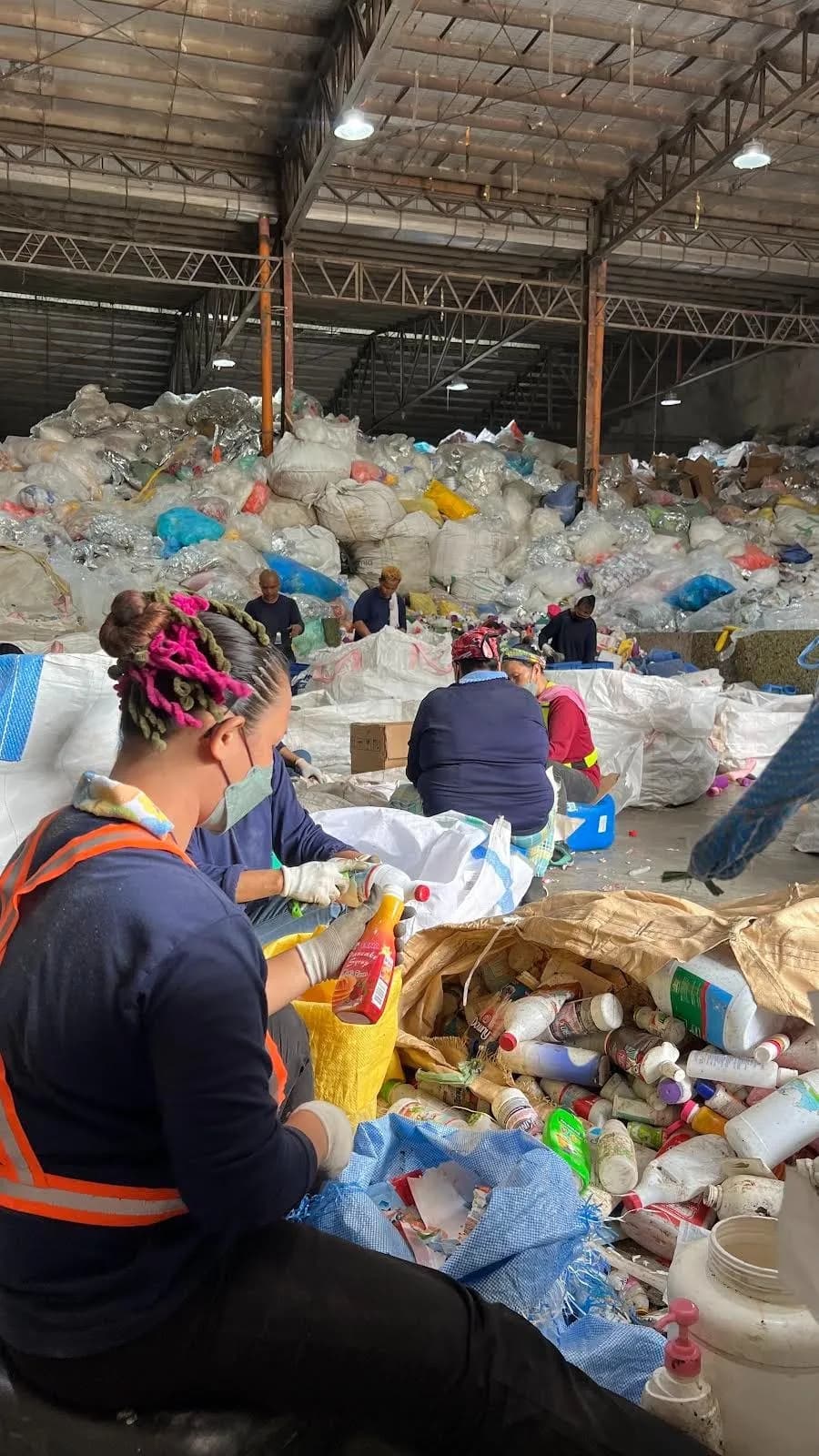
Workers sort collected plastic waste at The Plaf's facility in Muntinlupa (Photo: The Plastic Flamingo)
How companies can get involved
How do your collection points and partners work, and how can more companies get involved?
We work with companies, communities, and other partners to collect plastic waste and bring it into our recycling process. Depending on the location, partners can bring their collected plastics to our drop-off points, while collection arrangements may also be available within Metro Manila.
Companies can get involved by setting up collection initiatives, organizing employee or community drives, supporting our School Chair Program, or exploring our recycling and Extended Producer Responsibility (EPR) services. The important thing is that partnerships help connect plastic waste recovery with practical solutions. Businesses can contribute by improving how they manage their waste and supporting systems that give recovered plastic a new purpose.
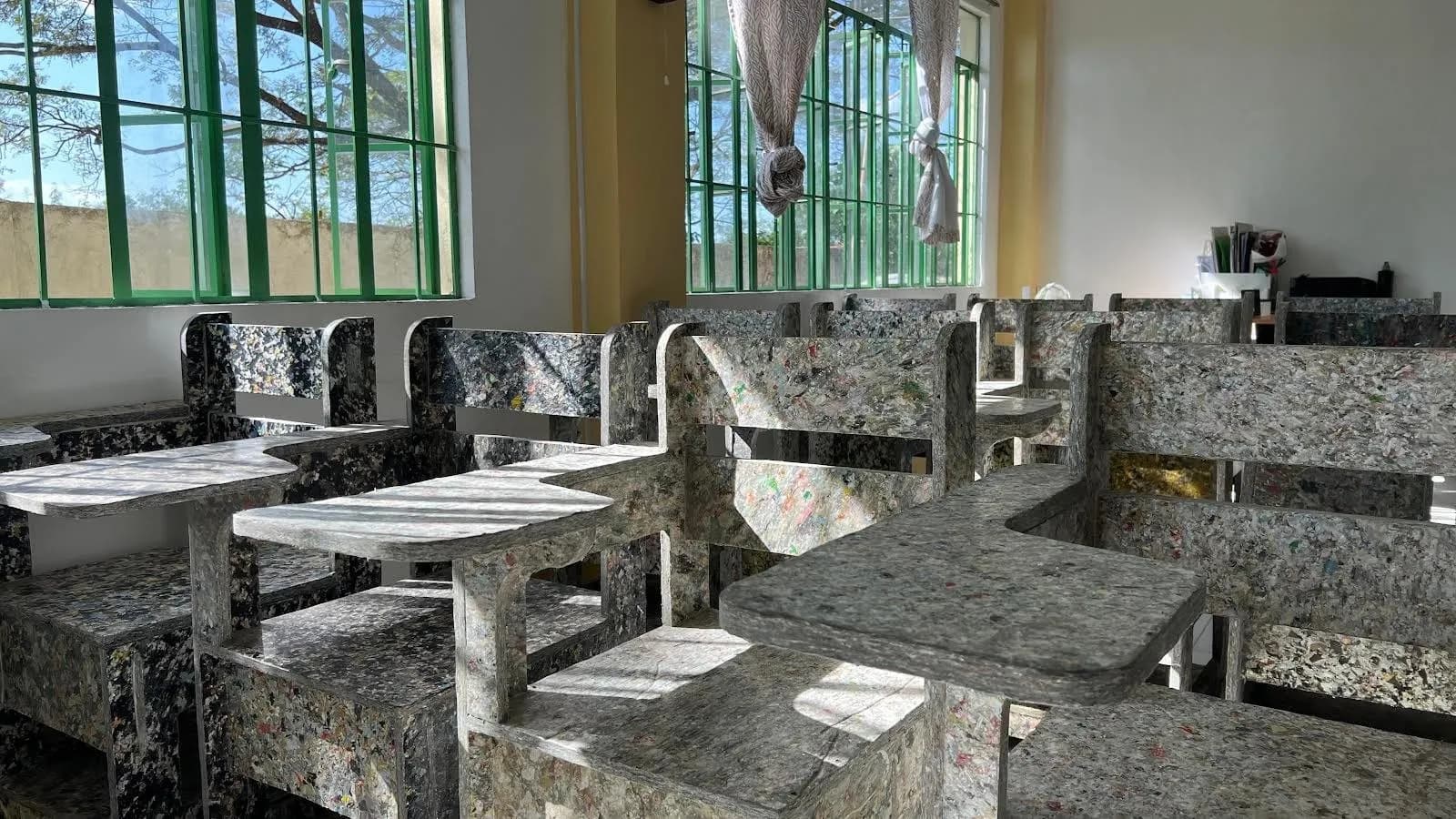
School chairs made from recycled plastic, part of The Plaf's School Chair Program (Photo: The Plastic Flamingo)
Measuring impact beyond tons of plastic
How do you measure the impact you're making?
We look at impact in several ways. Environmentally, we consider the plastic waste we collect, recover, and transform into new products. Socially, we look at initiatives such as our School Chair Program, where partners help provide recycled-plastic chairs to schools that need them. We also look at how many organizations and communities we work with, as partnerships are essential to expanding our impact. Through our communications and social media, we measure how far our advocacy reaches and how people engage with our work.
Ultimately, impact is not just about the amount of plastic we process. It's also about creating useful products, building partnerships, supporting communities, and encouraging more people to take part in responsible waste management.
We also create employment opportunities for waste pickers and low-income families, while providing worker benefits, regular training, and educational support for employees' children. We value an inclusive workforce, with opportunities for both women and older workers.
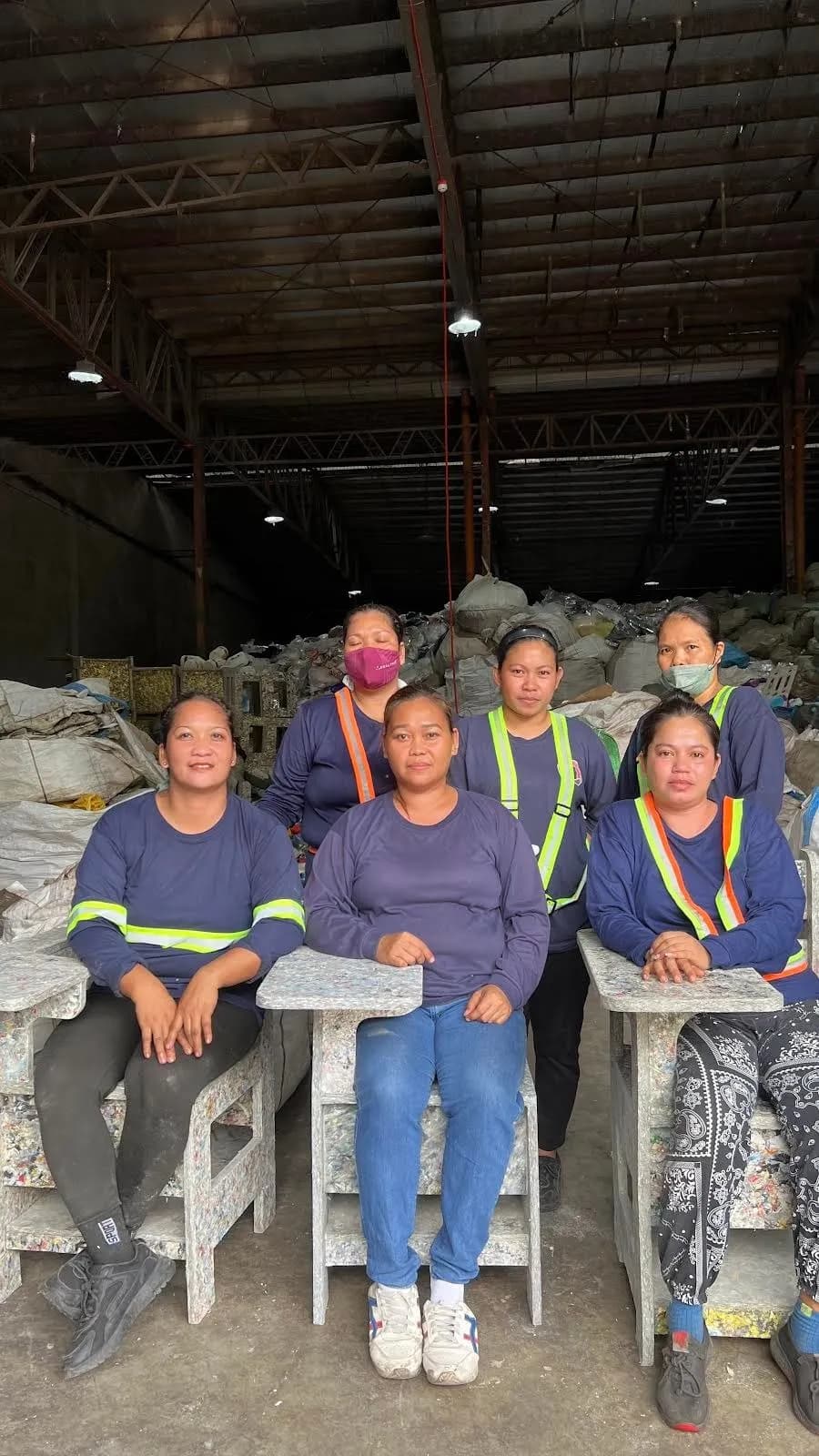
Members of The Plaf's workforce, which includes opportunities for women and older workers (Photo: The Plastic Flamingo)
The hardest part
What's been the hardest part so far, and how did you deal with it?
One of the biggest challenges is that not all plastic waste is easy to recycle. Different materials require different handling and processing, and collecting plastic is only one part of the process. We also need to sort, prepare, and process it properly before it can become a useful product.
Another challenge is building awareness and encouraging businesses to see recycled plastic as a practical material, rather than simply as waste. We address these challenges by working with partners, continuously improving our processes, and demonstrating what recycled plastic can become through real products and projects. We believe that showing people the possibilities is an important step toward changing how they view plastic waste.
Advice for Filipino businesses
Any advice for other Filipino businesses that want to do more for the environment or their community?
Start with something practical and make it part of how your business operates. You don't have to solve the entire environmental problem at once. You can begin by understanding the waste your business generates, improving waste segregation, reducing unnecessary plastic use, or partnering with organizations already doing the work.
It's also important to look beyond one-time activities. Environmental responsibility becomes more meaningful when it is supported by consistent practices and long-term partnerships. For Filipino businesses, I believe the opportunity is to treat sustainability not just as a corporate social responsibility initiative, but as a chance to create shared value for the environment, communities, and the business itself.
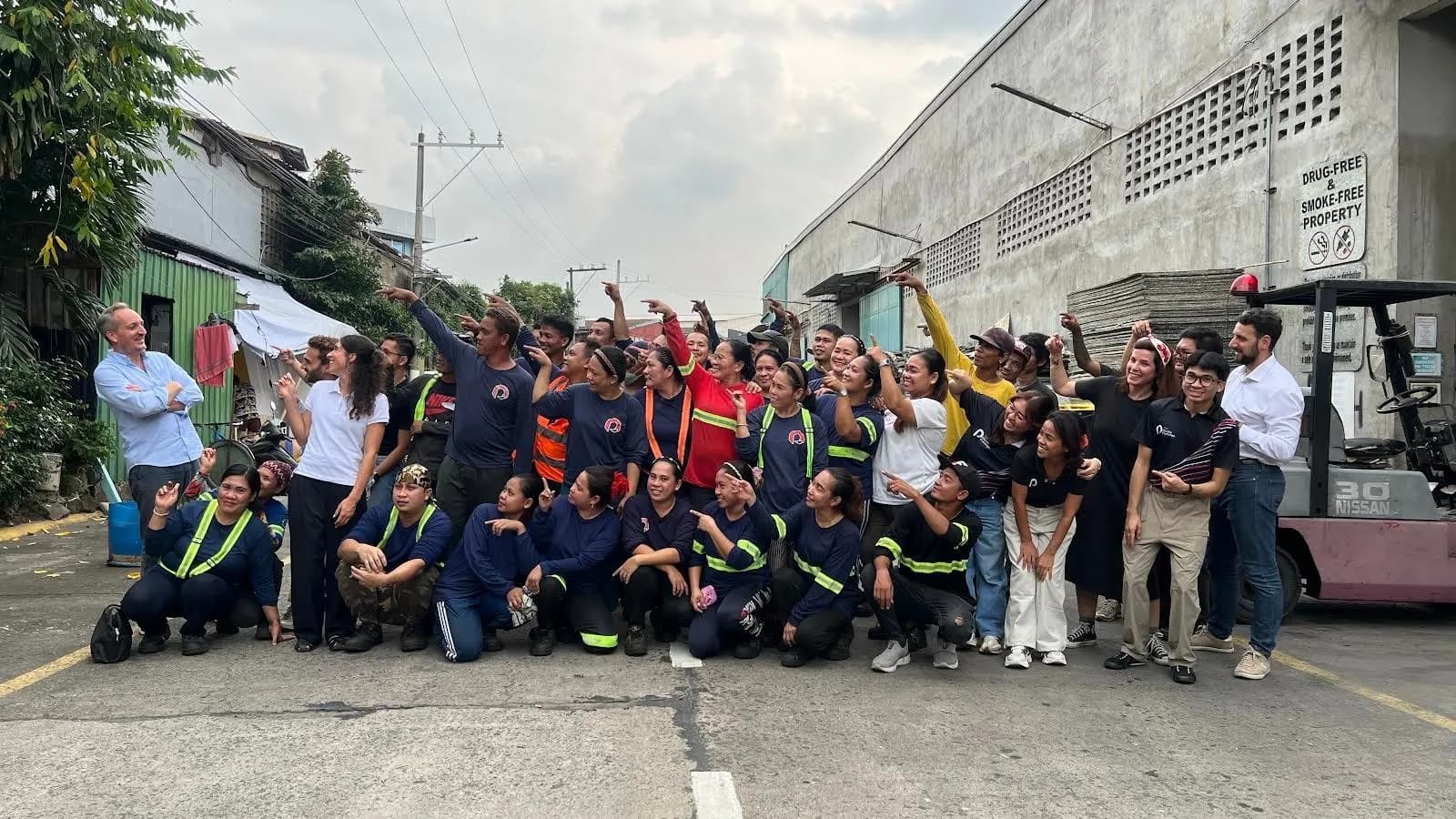
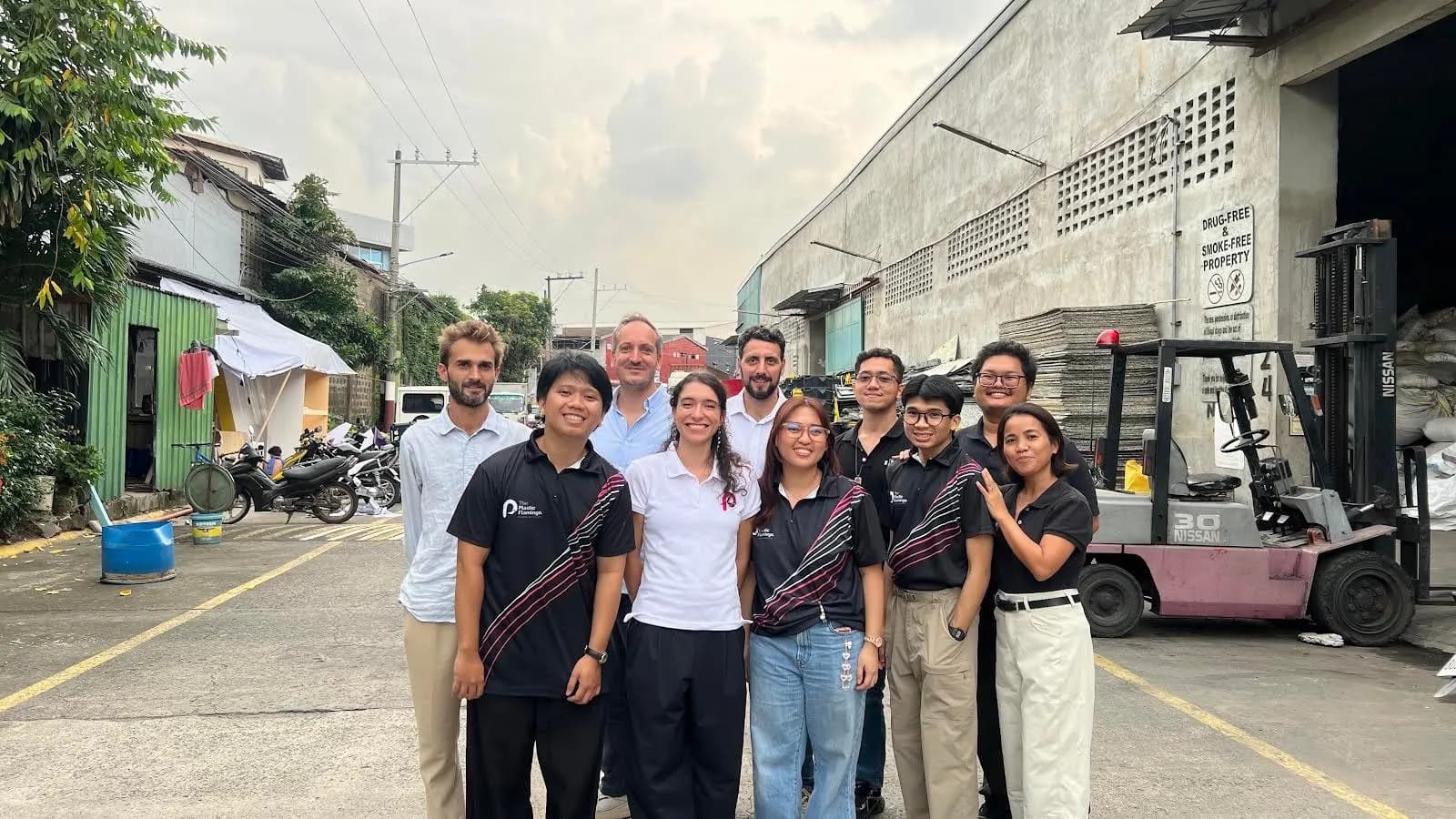
The Plastic Flamingo team outside its recycling facility in Muntinlupa (Photo: The Plastic Flamingo)
About The Plastic Flamingo
The Plastic Flamingo (The Plaf) is a plastic recycler based at 24 RMT Industrial Complex, Tunasan, Muntinlupa City. It collects hard-to-recycle plastic waste and turns it into school chairs, pallets and Eco-Boards, and offers recycling and Extended Producer Responsibility (EPR) services to companies.
To date, The Plaf has more than 300 plastic collection points, has managed over 1,400 tons of plastic waste and has deployed more than 6,355 school chairs across the Philippines. Companies interested in collection drives, the School Chair Program or EPR services can visit www.theplaf.com or email hello@theplaf.com.
This interview was conducted by email and has been lightly edited for clarity.