
Universal Robina Corporation (URC), the JG Summit food and beverage company behind some of the Philippines' most familiar snack, coffee and beverage brands, has set itself a demanding list of sustainability goals: net zero emissions by 2050, plastic neutrality by 2030, and deep cuts in energy and water use by the end of the decade.
Its 2025 Sustainability Report shows real progress on some fronts, and frankly, slower progress on others.
Clear targets for 2030
URC frames its approach as "Responsible Growth." By 2030, it aims to reduce its energy use ratio by 30% and its water use ratio by 40% against a 2020 baseline, achieve plastic neutrality, ensure all its products meet at least three wellness criteria, and source 100% of its potatoes from farms certified under Good Agricultural Practices.
"Sustainable growth and business growth are no longer separate paths: they are inseparable," said URC President and CEO Irwin C. Lee.
Energy and water: steady gains
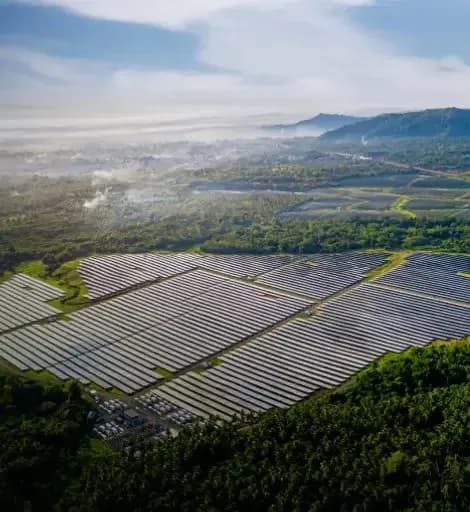
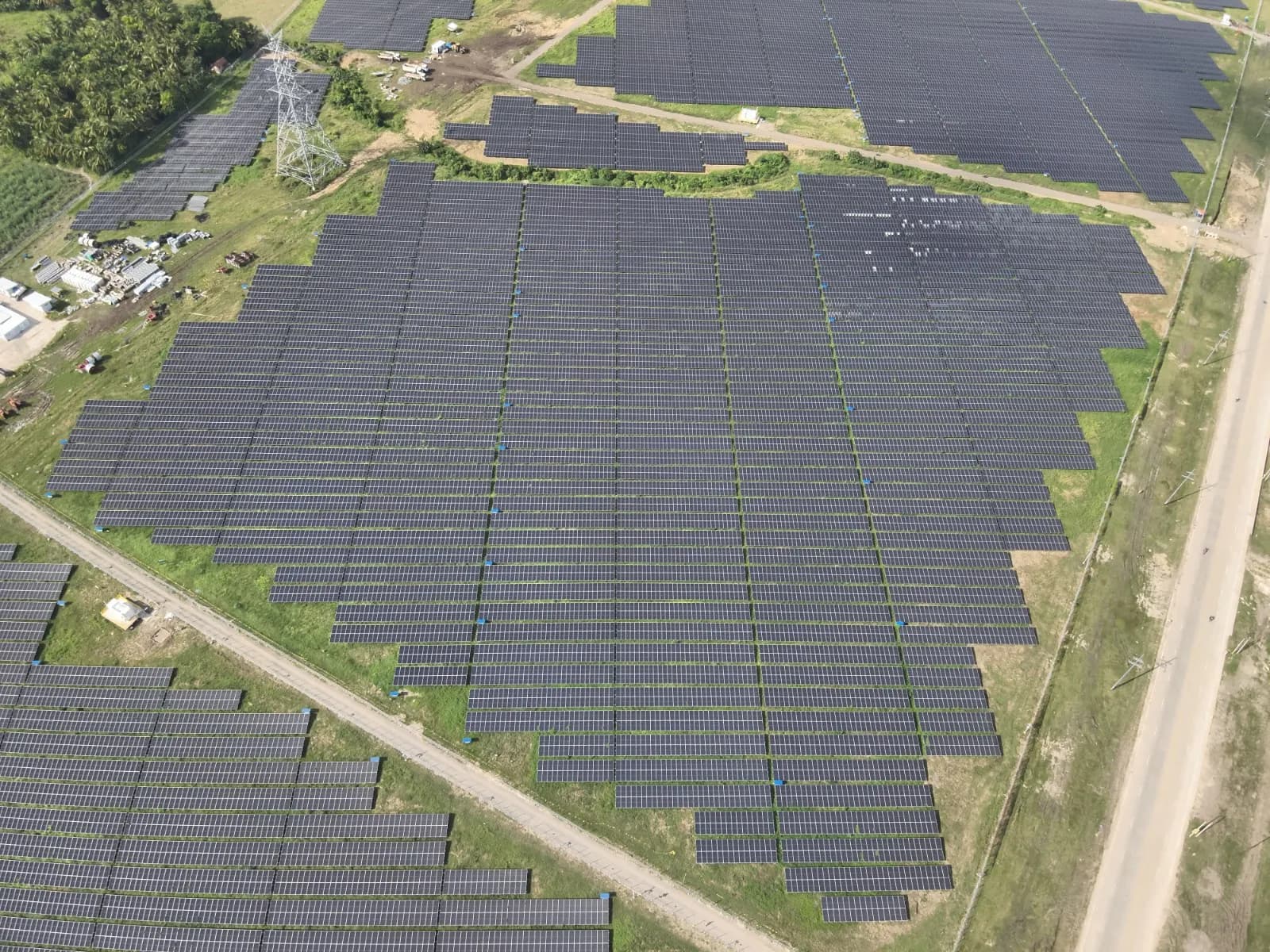
In 2025, renewable sources supplied 25.46% of URC's electricity. The company has installed 28.49 megawatts-peak of solar panels across 29 facilities, which avoided an estimated 15,636 tonnes of CO2 equivalent during the year. Its sugar and renewables business generated 244 million kilowatt-hours of renewable electricity from bagasse, the fiber left over after sugarcane is crushed.
Water use fell 8.6% in 2025, from about 7.59 million to 6.94 million cubic meters, and the volume of recycled or reused water rose by 7%. Its water use ratio improved by 5.2%.
Emissions tell a more complicated story. Total Scope 1 and 2 emissions rose 1.76% in 2025 to 581,570 tonnes of CO2 equivalent, even as emissions intensity per million pesos of revenue fell 2.82%. In other words, the business is becoming more efficient, but growth is still pushing total emissions upward.
Plastics: the hardest target
Plastic neutrality is the most challenging goal. URC's "Juan Goal for Plastic" program, launched in 2022, now has more than 30 collection sites across five business units, and recovered 12 metric tonnes of plastic in 2025. The company has also partnered with Holcim and local government in Pampanga to co-process up to 1,000 tonnes a year of non-recyclable plastic, and formed a joint venture with Greencycle to meet its obligations under the Extended Producer Responsibility Act.
Recycled material, however, made up just 0.56% of packaging input in its Philippine branded consumer foods business in 2025, a sign of how far the industry still has to go in designing packaging for a circular economy.
Supporting farmers
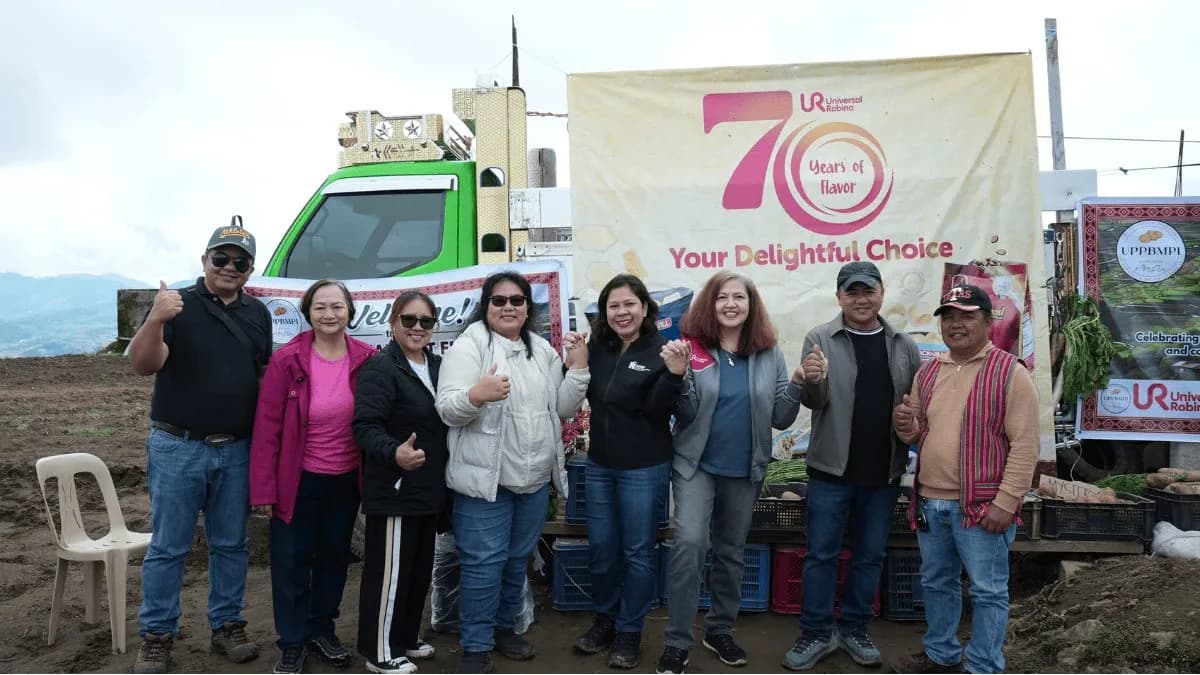
URC's supply chain also runs through farms. Its Sustainable Potato Program, launched with the Department of Agriculture in 2019, has distributed 500 metric tonnes of seeds to more than 900 farmers, helping them grow potatoes that meet the company's quality standards.
"Sustainability at URC has undergone a fundamental transformation," said Jesselyn P. Panis, URC's Chief Supply Chain and Sustainability Officer.
Why it matters
As one of the largest food manufacturers in Southeast Asia, URC's choices have an outsized impact on energy demand, water use and plastic waste in the region. Its report is valuable precisely because it shows both progress and gaps. For Sinag Impact readers, the lesson is that credible sustainability work is not only about ambitious targets, but about publishing the numbers that show whether those targets are being met.