
A decade ago, ACEN Corporation, the energy platform of the Ayala Group, was a very different company. In 2016, it had about 1,000 megawatts of capacity, and only around 2% of that came from renewable sources. Most of it was coal. By 2025, ACEN announced that its generation portfolio had "fully transitioned to 100% renewable energy."
That shift makes ACEN one of the clearest examples in Southeast Asia of a company putting SDG 7 (affordable and clean energy) and SDG 13 (climate action) at the center of its business strategy.
A fast-growing renewable portfolio
As of its first-half 2026 results, ACEN reported 7,517 MW of attributable renewable capacity, of which 57% was already operational. Its projects span the Philippines, Australia, India, Lao PDR and Indonesia. In 2022, when its capacity stood at 3.4 GW, the company set a target of 20 GW of attributable renewables by 2030, a sixfold increase.
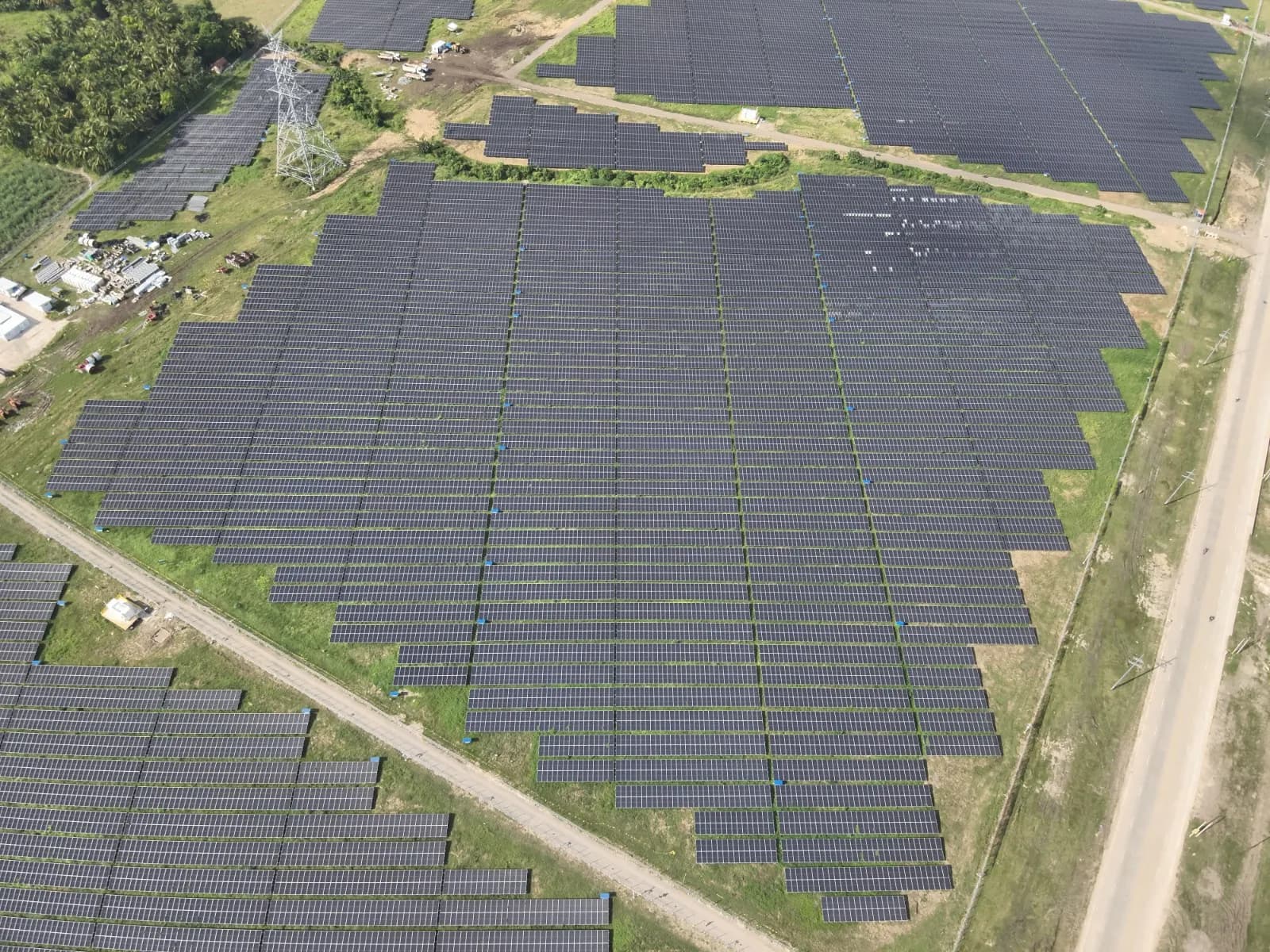
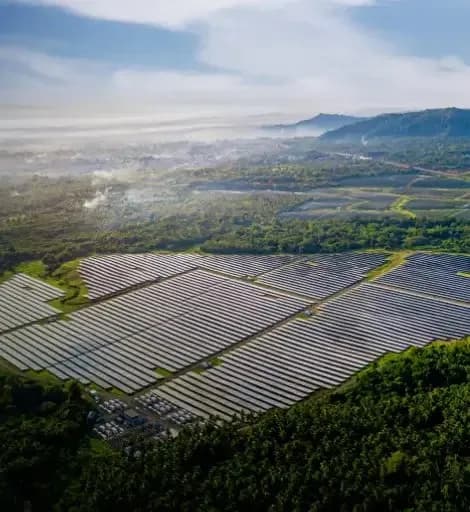
In the Philippines, ACEN's flagship projects include the 160-MW Balaoi and Caunayan wind farm in Ilocos Norte, described as the country's largest wind farm when it was inaugurated in May 2023, and a nearly 1-GW solar hub in Zambales combining 948 MW of solar with 1,660 MWh of battery storage. When complete, the Zambales hub is expected to generate about 1,400 GWh a year, enough for roughly 340,000 households, and avoid about 800,000 tonnes of CO2 annually.
A world first in retiring coal early
ACEN's most widely cited move is what it did with a coal plant it already owned. In November 2022, it completed what was described as the world's first Energy Transition Mechanism (ETM) transaction, a concept developed by the Asian Development Bank, for the 246-MW South Luzon Thermal Energy Corporation (SLTEC) coal plant in Batangas.
Under the deal, the plant will be retired by 2040, cutting its potential operating life of up to 50 years roughly in half. ACEN estimates the early retirement could avoid or reduce up to 50 million tonnes of CO2. The ₱17.4-billion transaction combined ₱13.7 billion in bank debt and ₱3.7 billion in equity, and gave ACEN ₱7.2 billion to reinvest in renewable energy. The deal won Impact Project of the Year for climate at the Environmental Finance IMPACT Awards 2022.
ACEN has since worked with partners including the Rockefeller Foundation's Coal to Clean Credit Initiative and the Monetary Authority of Singapore on "transition credits," a mechanism that could help finance the early retirement of more coal plants in the region.
A net zero roadmap
In April 2023, ACEN announced a roadmap to reach net zero greenhouse gas emissions by 2050, with interim targets for 2030 and 2040 covering Scope 1, 2 and 3 emissions. The company describes itself as the first energy company in Southeast Asia to announce such a roadmap aligned with a 1.5°C pathway.
Sharing the benefits with communities
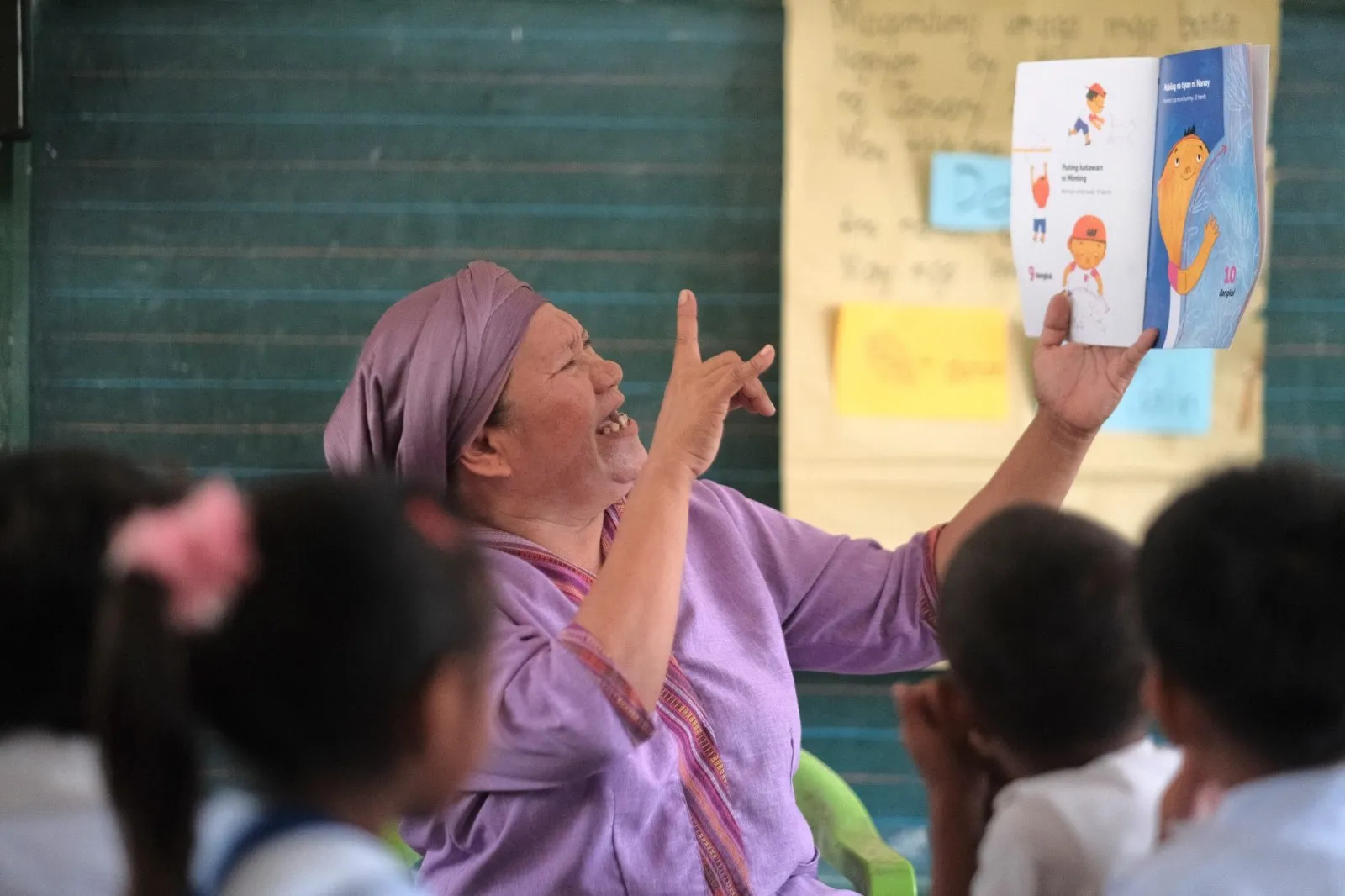
The energy transition also has a social dimension. In 2024, ACEN spent ₱222 million on social programs that benefited about 46,000 individuals in around 400 communities, including livelihood and disaster preparedness programs. About 95% of its construction workforce is hired locally, and at the Zambales hub, around 80% of workers come from nearby communities, mostly Ayta Indigenous Peoples. ACEN has also planted more than one million trees across 43 sites, and women make up 45% of its workforce across the group.
What it means for the Philippines
ACEN's journey from a coal-heavy portfolio to 100% renewable generation in less than a decade shows that an energy transition in an emerging economy is possible when strategy, financing and community engagement move together. The bigger question now is whether its coal retirement model can be replicated across a region where coal still powers much of the economy.