
Payatas, in Quezon City, was once best known for its vast dumpsite. It was there, in 2007, that a group of young founders started working with women who wove rugs from scrap cloth collected from the dump. The women were doing skilled work, but middlemen controlled both their supplies and their sales. For a day's work, they earned as little as ₱10 to ₱16, or roughly the price of a bottle of water.
That partnership became Rags2Riches (R2R), now one of the Philippines' best-known social enterprises and a pioneer of sustainable fashion in the country.
A partnership, not a handout
Co-founder Reese Fernandez-Ruiz, then a management student at the Ateneo de Manila University, had been volunteering as a teacher in Payatas. Rather than offer charity, the founders returned with a business proposal. R2R started with just three artisans and a ₱10,000 donation.
The model was simple but powerful: take overstock and scrap fabric that would otherwise be thrown away, and turn it into products good enough to compete in the design market. To get there, R2R brought in established Filipino designers, starting with Rajo Laurel, who advised the company for free, followed by names including Amina Aranaz-Alunan and Kenneth Cobonpue.
Fair pay and a first bank account
The impact on income was dramatic. By 2013, R2R artisans were earning ₱350 to ₱500 a day for two to three hours of work. The enterprise has since trained more than 1,000 artisans across the Philippines, with around 200 active artisans reported in 2022.
R2R also invested in what it calls the Artisan Academy, providing training in personal finance, nutrition and health, as well as bank accounts and insurance. "For a lot of our artisans, that was the first thing they had ever had with their name on it," Fernandez-Ruiz said of the savings passbooks given to artisans, in a 2018 interview with the World Economic Forum.
Global recognition
R2R's work has earned international attention. In 2010, Fernandez-Ruiz was named one of the first Rolex Young Laureates, and in 2015 she was included in Forbes' 30 Under 30 list of social entrepreneurs. She has also been recognized as a World Economic Forum Young Global Leader.
Its products have reached international retailers, and in 2020, R2R became IKEA Philippines' first social enterprise partner, offering in-store sewing and customization services at IKEA Pasay. In 2024, the Intellectual Property Office of the Philippines honored R2R with a Gawad Yamang Isip award for its innovation and inclusivity for artisan communities.
Growing into its next chapter
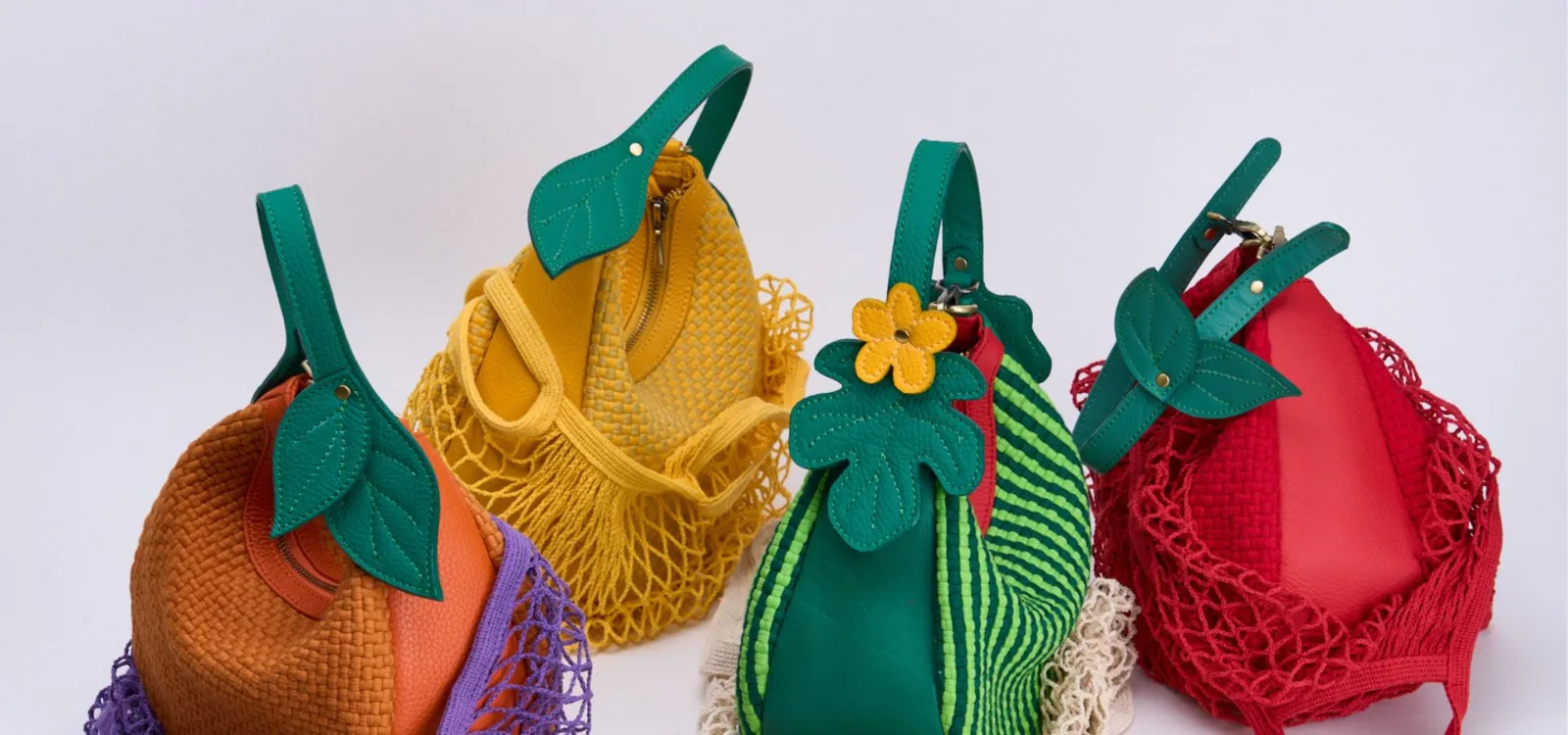
R2R has continued to evolve, from rugs into bags, wearables and home décor, and into collaborations with brands and artists. In 2024, it produced merchandise for the "Space of BTS" pop-up in Metro Manila. At its 18th anniversary in November 2025, R2R announced its first permanent mall space since 2020 at Power Plant Mall in Makati, a new Quezon City headquarters combining an atelier, a retail store and a café, and the launch of R2R Bespoke.
"2026 is going to be extraordinary," Fernandez-Ruiz said at the celebration.
Why it matters
For Sinag Impact readers, R2R is a reminder that social impact and good business are not opposites. By treating women artisans as partners rather than beneficiaries, and by paying fairly for skilled work, Rags2Riches has shown how a social enterprise can create dignity, income and design value from what others once saw as waste.