
Few workplaces are as male-dominated as a coal mine. Yet Semirara Mining and Power Corporation (SMPC), the DMCI group company that operates the coal mine on Semirara Island in Antique, was one of only a handful of Philippine companies included in the Bloomberg Gender-Equality Index for three consecutive years, from 2021 to 2023.
A closer look at the company's own diversity data shows both how far women have come in heavy industry, and how far there is still to go.
Women at the top, few at the entry level
According to SMPC's 2022 Diversity, Equity and Inclusion report, the company had 4,381 employees, of whom 310, or 7%, were women. That low overall share reflects the nature of mining work. But the picture changes sharply at higher levels: women held 27% of board seats, 38% of executive officer positions and 40% of senior management roles. In middle management, the figure was 14%, and at entry level, just 3%.
Women at SMPC work not only in offices but also as welders, mechanics, motor pool equipment operators and technical experts. In 2022, women accounted for 12% of new hires but 56% of promotions. On pay, the report states that for every peso women earn, men earn 99.8 centavos, which points to near-parity in compensation.
"We continue to break barriers to equity and inclusion by proactively introducing improvements to our workplace," said Maria Cristina C. Gotianun, SMPC's President and Chief Operating Officer.
Recognized by Bloomberg
SMPC and its parent, DMCI Holdings, were first included in the Bloomberg Gender-Equality Index in 2021, then again in 2022 and 2023, when they were among only four Philippine listed firms in the index. "While our businesses belong to male-dominated industries, we do not distinguish roles and opportunities according to gender," said DMCI chairman Isidro A. Consunji in 2022.
Women working in the group's power plants have spoken about the same shift. "We may be dominated in terms of numbers, but our contribution to this company is not outnumbered," environmental supervisor Nikka Macatangay told the company newsletter.
Where the gaps remain
The data also shows challenges. Women made up 16% of employees who left the company in 2022, up from 3% the year before, and only 8 of 17 women who returned from parental leave were still with the company a year later. Women's share of revenue-producing roles fell from 41% in 2021 to 23% in 2022. These numbers suggest that bringing women into heavy industry is only the first step; keeping them there requires support through career stages such as motherhood.
Building local skills
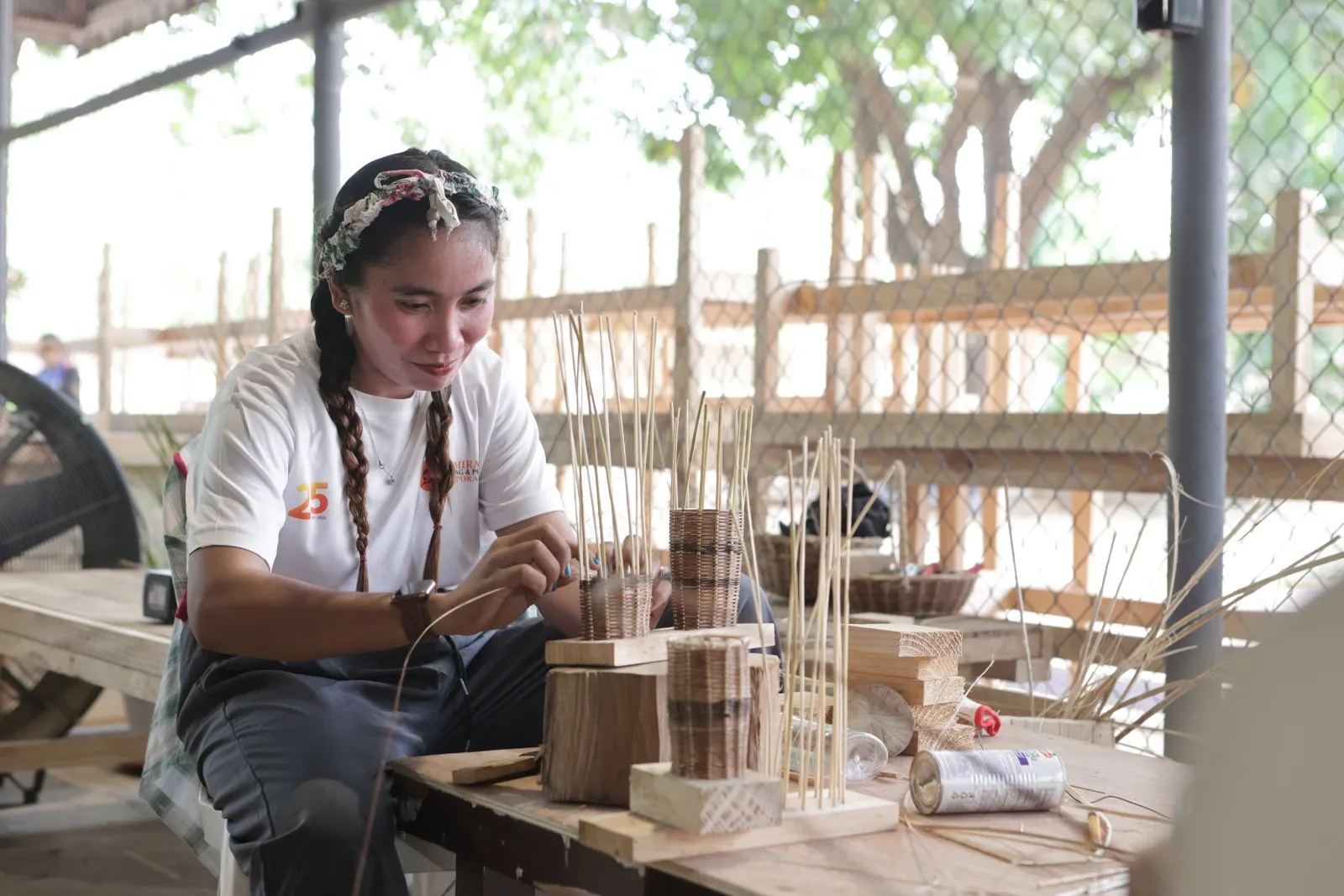
On Semirara Island itself, the company runs the Semirara Training Center, a free, TESDA-accredited technical school that had produced about 1,800 graduates by 2025 from Semirara and nearby towns. SMPC has also supported livelihood projects for local women, including tailoring work.
Why it matters
SMPC's experience offers a lesson for other industries where women are underrepresented. Publishing detailed gender data, including the less flattering numbers, makes it possible to see where progress is real and where effort is still needed. At the same time, the company operates in a sector under pressure from the global shift away from coal, and its next challenge will be ensuring that the women it has trained and promoted are part of whatever energy future comes next.