
In 1997, when the government privatized water services in Metro Manila, only about a quarter of households in the East Zone received water 24 hours a day. Most of the water that entered the system never reached a paying customer: non-revenue water, the share lost to leaks and theft, stood at 63%.
Manila Water Company, which won the 25-year concession for the East Zone, has since become a regional case study in how a utility can transform water access, and in the work that SDG 6, clean water and sanitation for all, still demands.
A turnaround in supply
According to the World Bank, 24-hour water availability in the East Zone rose from 26% to 99% between 1997 and 2008, while non-revenue water fell from 63% to 19.6%. By the end of 2025, non-revenue water stood at 13.55%, well below the World Bank benchmark of 25%. Each one-percentage-point reduction recovers up to 15 million liters of water per day.
The number of people served has grown from about 3 million in 1997 to about 7.8 million today, through a pipe network that reached more than 5,500 kilometers in 2025. In 2021, the company received a 25-year legislative franchise through Republic Act 11601.
Water for low-income communities
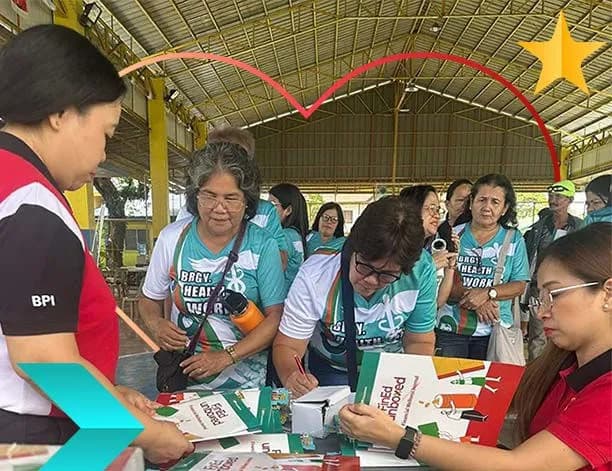
Much of that growth reached people who had been left out. Through its Tubig Para sa Barangay (Water for the Community) program, launched in 1998, Manila Water has completed 899 projects reaching 1.8 million low-income residents. The company covers 65% of the connection fee, and a household using 10 cubic meters or less a month pays a lifeline rate of around ₱86.
"By connecting them to our waterlines, these households are assured of clean and potable water," said Jeric Sevilla of Manila Water. As he put it in 2023: "The most expensive water is when you have no water at all."
The sanitation gap
Sanitation has been a slower climb. In 1997, sewer coverage in the East Zone was just 3%. By 2020, it had reached 31%, serving 2.14 million people through 39 sewage treatment plants. The company has set targets of 65% coverage by 2026 and 99% by 2037. As of June 2025, it had 311,663 sewer connections, and its new Aglipay sewage treatment plant can treat 60 million liters a day.
Preparing for a hotter future
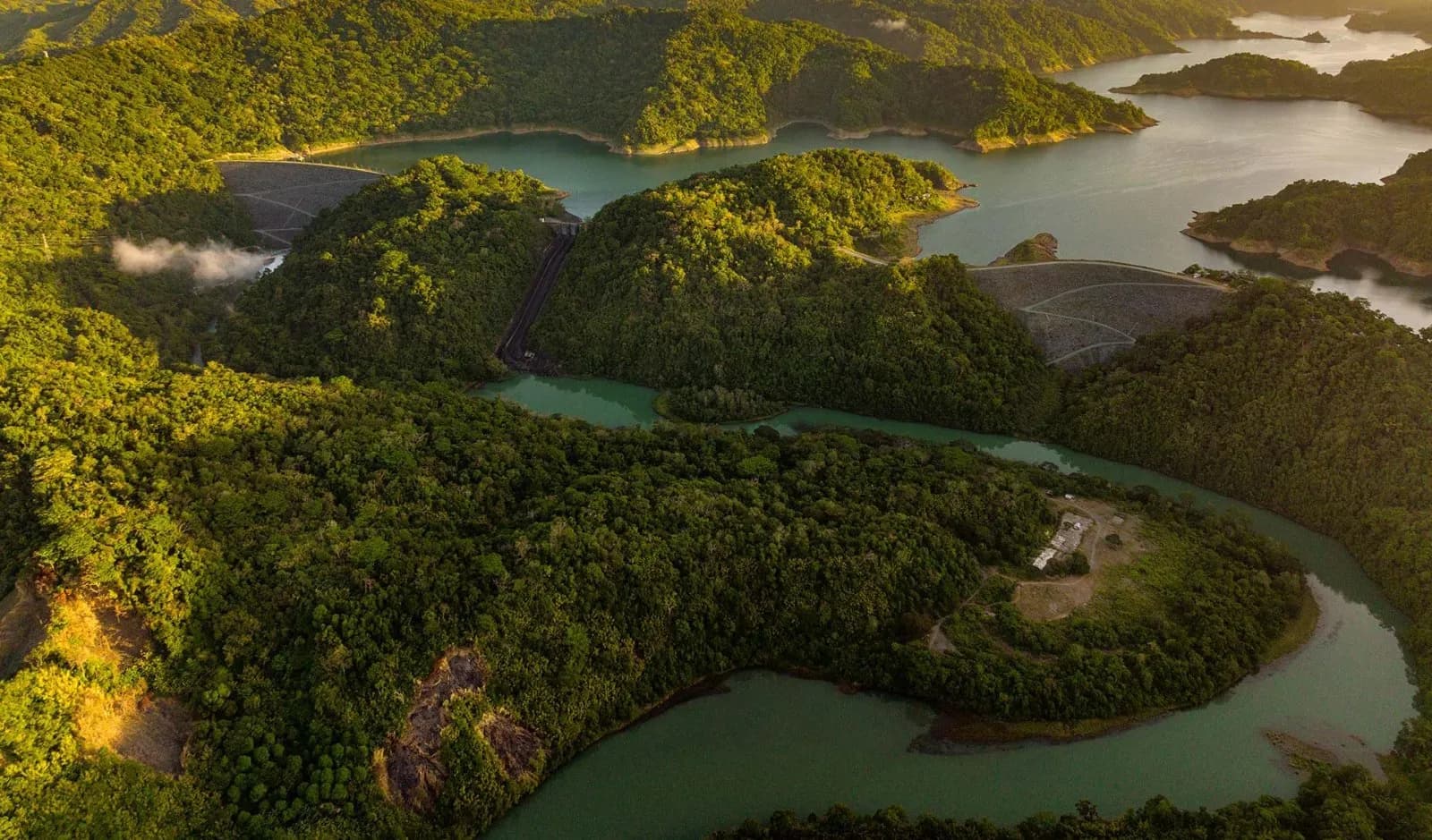
The 2019 water shortage, when water levels at La Mesa Dam fell below the critical level and service dropped sharply, showed how vulnerable the system remains. Since then, Manila Water has invested heavily in new sources. The Upper Wawa Dam can add up to 710 million liters per day, and a treatment plant drawing from Laguna Lake in Cardona supplies up to 100 million liters per day to about 800,000 residents. More than ₱12.4 billion of its 2025 capital spending went to water sources.
Its foundation's Lingap WASH program has reached more than 160,000 learners with water, sanitation and hygiene facilities in schools.
Why it matters
Manila Water's story shows that reliable, affordable water at scale is achievable in a fast-growing megacity. But it also shows that SDG 6 is a long-term commitment. Closing the sanitation gap and securing supply against climate change will define the next chapter, for Manila Water and for every city in the region facing the same pressures.